Freight emissions reporting, made audit-ready.

Certified, shipment-level Scope 1 and Scope 3 CO₂e for UK road freight. Ready for UK SRS, CSRD and SECR.

Freight emissions reporting

Certified carbon data for every shipment.

Freight emissions reporting is moving from voluntary to mandatory. Regulators, auditors and customers now expect transport emissions they can trace.

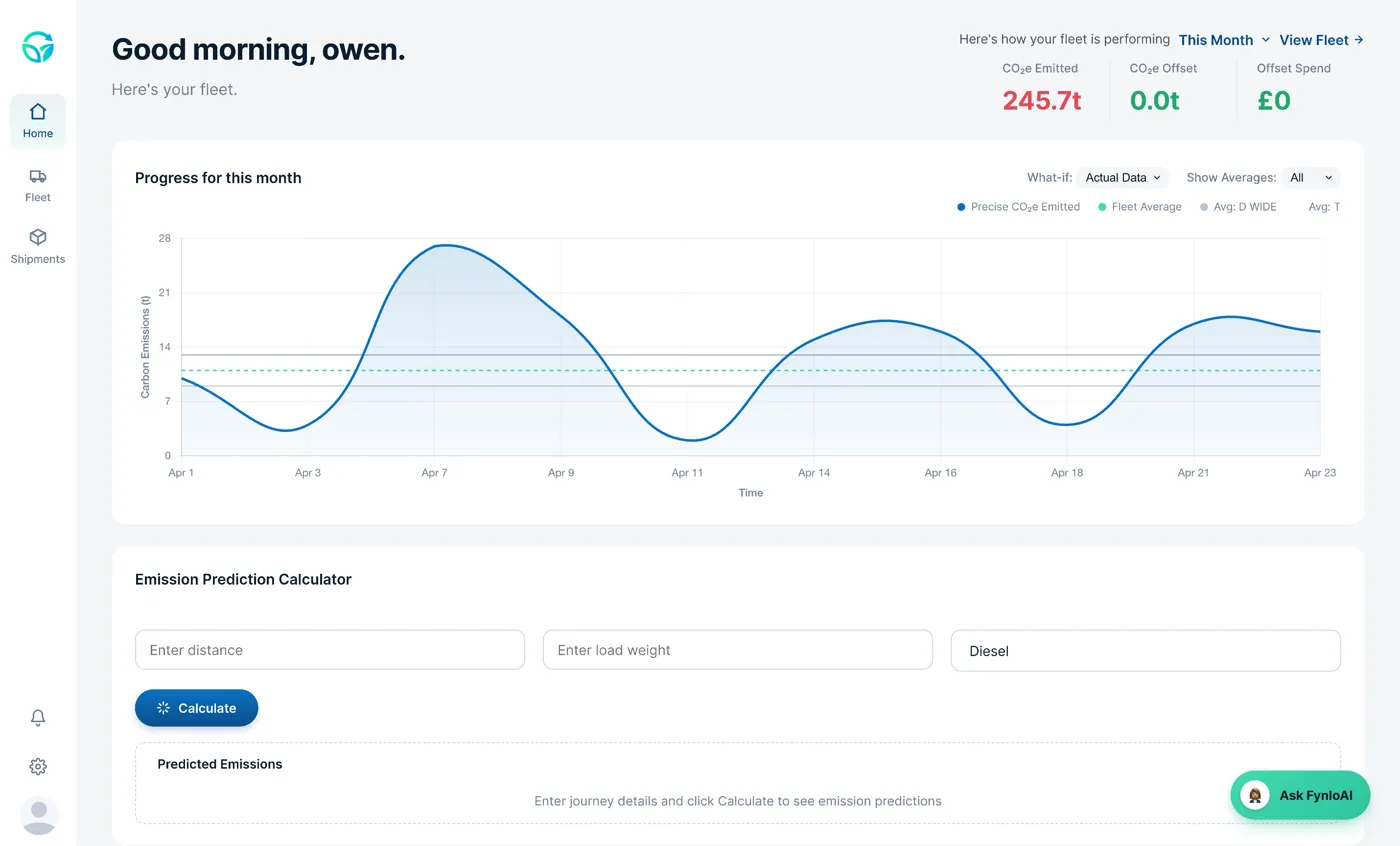
Fynlo turns your TMS and telematics data into certified, shipment-level CO₂e in days.

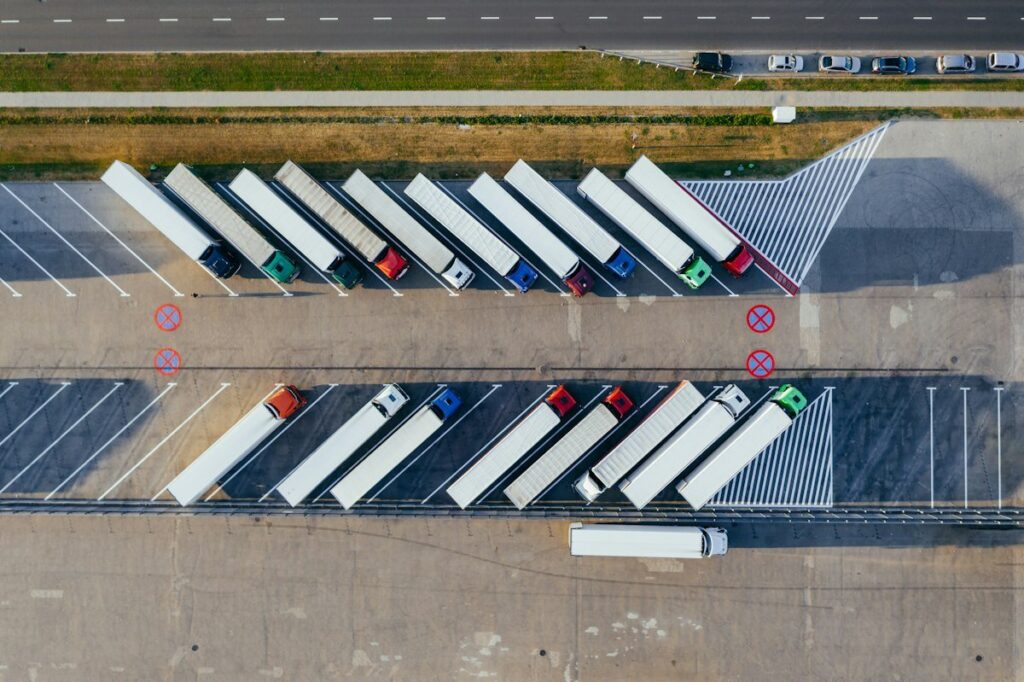
Freight emissions reporting for a fleet of HGV trailers parked at a distribution depot
Aerial view of a solar-powered logistics depot with HGV trailers
Accuracy
0 %

More accurate than fleet-average factors

UK SRS deadline
Jan’ 0

Scope 3 reporting for listed UK companies

Go-live time
0

Days to connect your data by API

ISO standard
14000

Certified GLEC Framework V3 methodology

The basics

What is freight emissions reporting?

It is how a business measures and discloses the CO₂e created when goods move: Scope 1 for vehicles you run, Scope 3 for transport you buy.

How it is calculated

How freight emissions are calculated, shipment by shipment.

Distance, load, vehicle and fuel for every leg, using the Smart Freight Centre GLEC Framework, certified to ISO 14083:2023 and aligned with the GHG Protocol.

Fynlo
Shipment-level

38.6 kg CO₂e
62.3 kg CO₂e

Fleet average
Overestimated

“Good freight emissions data is calculated per shipment, from primary data, with one method an auditor can trace.”
GLEC Framework · ISO 14083
Regulation timeline

The rules driving freight emissions reporting

From SECR today to UK SRS in 2027, transport emissions now need a recognised, auditable method.

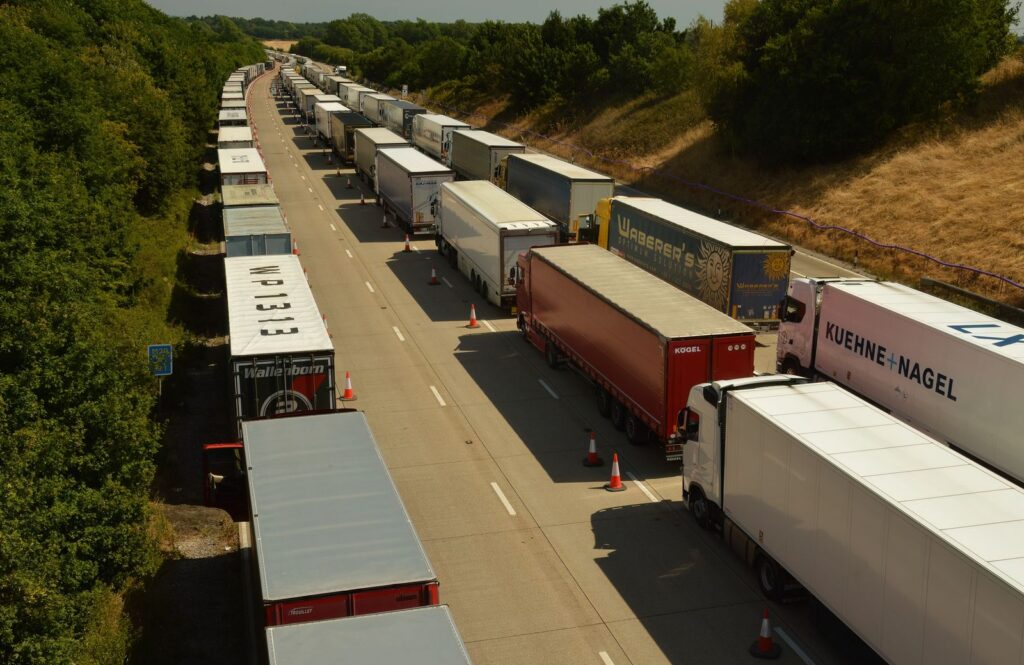
Aerial view of HGV trailers queued on an English motorway

UK SRS

From January 2027. Listed UK companies report Scope 3, so carriers will be asked for shipment-level data.

Container port cranes loading a vessel

EU CSRD

Phased in now. ESRS E1 asks in-scope groups, including many UK firms with EU operations, for material Scope 3.

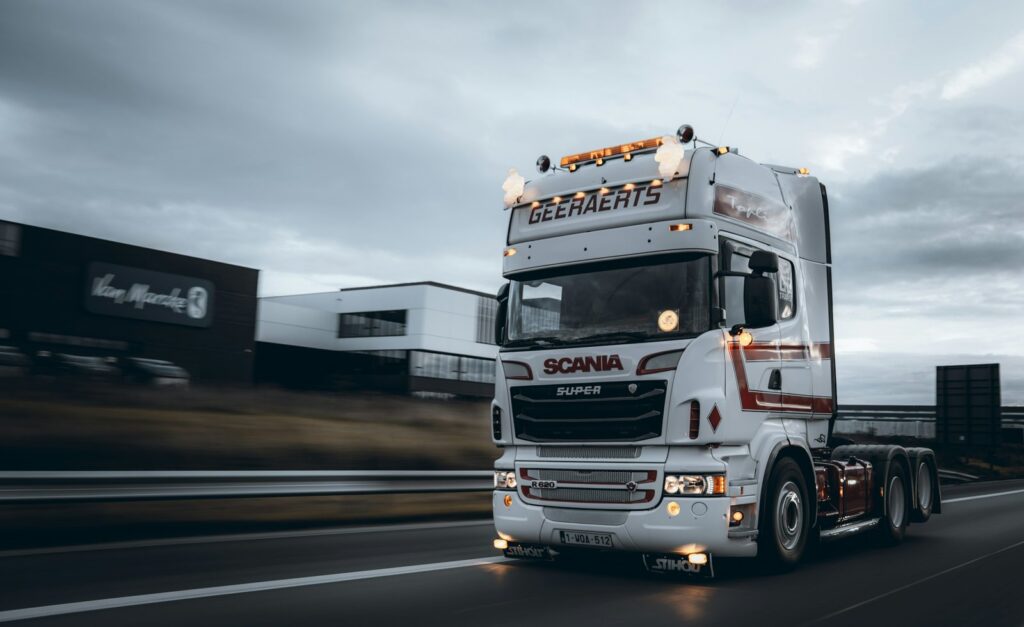
Scania HGV tractor unit, a Scope 1 emissions source for fleet operators

UK SECR

In force today. Large UK companies disclose energy use and transport fuel emissions in their annual reports.

Container ship under ship-to-shore cranes

ISO 14083

The global standard. Sets how greenhouse gas emissions from transport chains are quantified and reported.

Aerial view of a container ship guided by tug boats at sea

GLEC Framework

The industry method. Published by the Smart Freight Centre and accepted by auditors and assurance firms.

HGV hauling a shipping container past a port container yard

CountEmissionsEU

Coming next. A common EU method for calculating transport emissions, built on ISO 14083.

Who it is for

Scope 1 and Scope 3: one journey, one trusted number

Whether you run the trucks or buy the transport, freight emissions reporting needs one consistent figure.

Scope 1, for fleet operators and hauliers

You own and run HGVs. Fynlo gives you per-vehicle, per-route Scope 1 CO₂e, ready for SECR today.

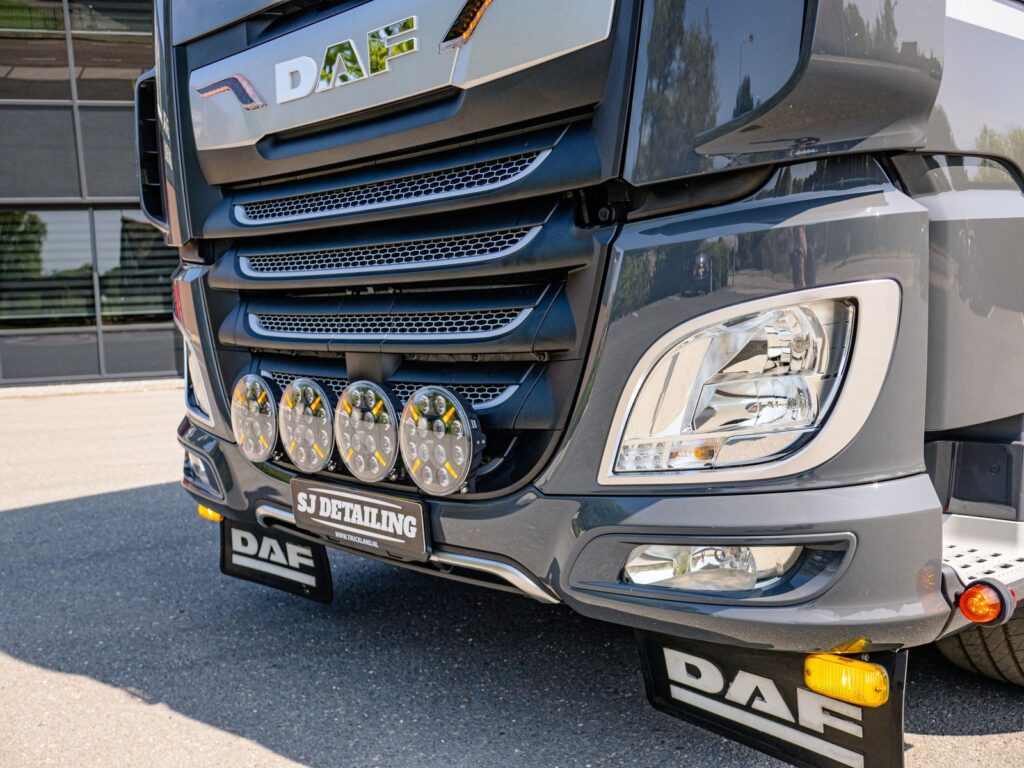
Close-up of a DAF HGV cab

You buy transport from carriers. Fynlo turns every consignment into GLEC-aligned Scope 3 data for CSRD and UK SRS.

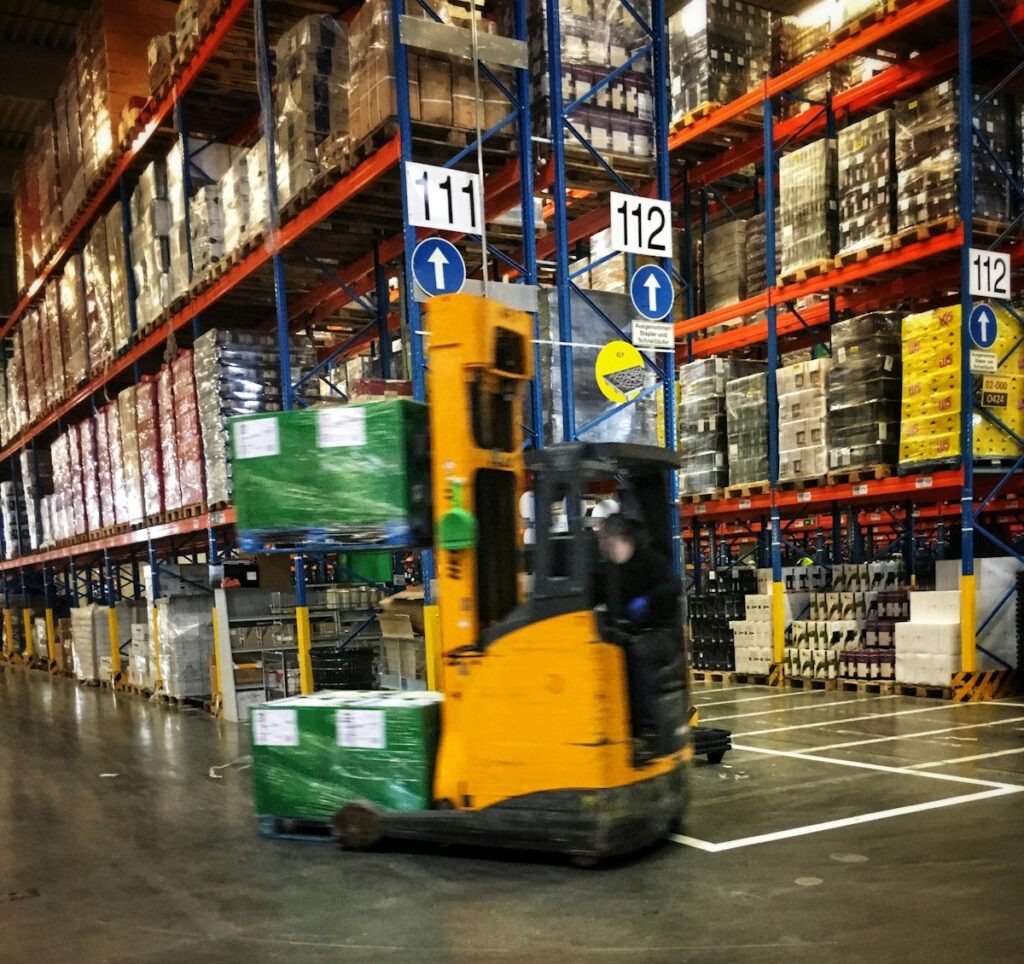
Warehouse racking and forklift where shipper Scope 3 transport emissions begin
How it works

How Fynlo automates freight emissions reporting

Four steps from raw transport data to an audit-ready report, with no spreadsheets.

Step 01

Connect

Link TMS, telematics and fuel data by API or file upload. Live in days.

Step 02

Calculate

Every journey uses real road distances and the GLEC Framework V3 method.

Step 03

Allocate

Emissions split by actual load and capacity, so each customer gets its true share.

Step 04

Report

Audit-ready SECR, CSRD and UK SRS reports, with full data lineage.

Electric HGV charging, part of freight decarbonisation

Make your data audit-ready.

See your own lanes calculated in a 30-minute demo.

Why Fynlo

Benefits of certified freight emissions reporting

Better carbon data protects contracts, sharpens fleet decisions and stands up to audit.

Audit-ready data

Benefit 01 · Assurance

“Every figure traces back to source data and a certified method, so auditors can test it quickly, without rework.”

40%

More accurate than averages

3 days

To your first shipment data

Aerial view of an HGV driving through forest in Norfolk, England

“Certified, shipment-level CO₂e helps hauliers stay on preferred supplier lists and win carbon-conscious tenders.”

Win more tenders

Benefit 02 · Growth

One dataset, every rule

Benefit 03 · Compliance

“One dataset supports SECR, CSRD and UK SRS, so you never rebuild your numbers for each new request.”

Let’s talk about your data

Get shipment-level CO₂e in days, not months.

Book a 30-minute demo

Get audit-ready before 2027

See your own lanes calculated to ISO 14083, with clear answers on your Scope 1 and Scope 3 position.

Ready when you are
From first call to audit-ready freight emissions reporting in days, not months.

Fynlo Team

Crawley Innovation Centre

Keep exploring

Related Fynlo pages and resources

Go deeper on our certification, read the full guide, or check plans for your fleet or carrier network.

GLEC certification

See certificate SFC CRT 045 and how our methodology meets ISO 14083:2023 for road freight.

Freight emissions guide

Our complete guide to Scope 1, Scope 3, the GLEC Framework and ISO 14083.

Pricing

Transparent plans that scale with you, from a handful of HGVs to a national carrier network.

FAQ

Freight emissions reporting: your questions answered

Straight answers on regulation, data and getting audit-ready.

Freight emissions reporting is measuring and disclosing the CO₂e from moving goods: Scope 1 for your own vehicles, Scope 3 for transport you buy, using the GLEC Framework and ISO 14083.

Scope 1 is fuel burned in vehicles you own or control. Scope 3 is transport you buy from hauliers: Category 4 upstream, Category 9 downstream.

ISO 14083:2023 is the international standard for transport emissions. The GLEC Framework applies it in practice. Fynlo is certified to both by the Smart Freight Centre (SFC CRT 045).

SECR applies to large UK companies today. UK SRS adds Scope 3 for listed companies from January 2027, and UK groups with EU operations may fall under CSRD.

They give every vehicle of a type the same value, ignoring payload, route and fuel. Shipment-level data from primary inputs is up to 40% more accurate and easier to audit.

A TMS export or API connection is enough to start. Telematics and fuel data improve accuracy, and any gaps use clearly flagged GLEC default values.

Most teams see their first shipment-level emissions within days. A UK-based specialist helps you set up SECR, CSRD or UK SRS reports.

It depends on size and listing status. Even when the law does not apply directly, customers in scope now ask hauliers and suppliers for freight emissions reporting in contracts.

Yes. Fynlo collects carrier data by TMS connection or file upload and applies the GLEC method to every leg, so freight emissions reporting covers your whole network.

Tank-to-wheel counts fuel burned in the vehicle. Well-to-wheel adds producing and delivering that fuel, which ISO 14083 requires for fair freight emissions reporting across fuel types.

Still have questions?

Contact our team for more details.

Request a demo

Make freight emissions reporting simple.

Tell us about your fleet or carriers and we will show you your own shipment-level CO₂e within one business day.

“Whether you operate the fleet or rely on carriers, get the shipment-level CO₂e data your compliance team needs, in days, not months.”

Fynlo

Carbon intelligence for road freight

Tell us about your fleet and we’ll show you your shipment-level CO₂e.

Prefer email? Write to hello@fynlo.ai and our team will respond to you.

Certified to recognised global frameworks

GLEC Framework
Smart Freight Centre
ISO 14083
CSRD Aligned
UK SRS Ready
SECR Compliant
Patent Pending